How to Get Started!!
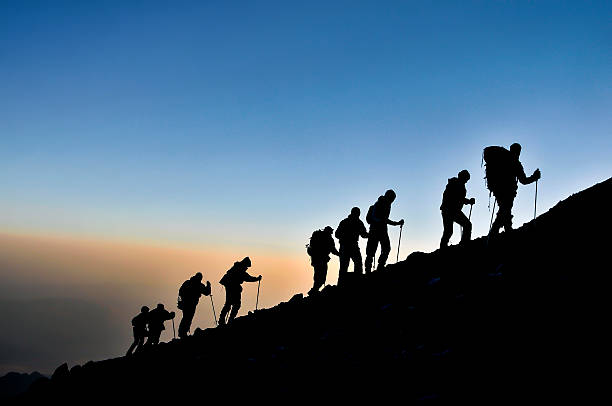
“It’s a dangerous business, Frodo, going out your door. You step onto the road, and if you don’t keep your feet, there’s no knowing where you might be swept off to.” JRR Tolkien, The Lord of the Rings.
By the end of this article, I bet I can convince you to say the following, “Damn! Now I want to go hiking.”
After all, Hiking is one of the best things you can do for your health, both physical and mental:
- It’s amazing way to explore your local surroundings.
- Compared to just about any other sport, your upfront spending for hiking essentials is minimal. It’s a great bonding activity with friends, family, and significant others
- It’s a great date idea for the right person!
- You already have everything you need to get started.
- It’s free. As in, zero dollars.
When you think of hiking, you might imagine a bunch of road-tested travelers with oversized backpacks, hiking through mountains for weeks upon weeks at a time.
Or a pair of hobbits setting out on a worldwide adventure.
It can also be super fun:
- A quick jaunt around your local park after work.
- Exploring the woods behind your house with your family on a saturday morning.
- A overnight hike that also includes camping
- A half-day hike with your friends.
Here’s my definition for hiking: A person exploring their surroundings and their feet are on actual ground.
What matters is that you go outside and do something you wouldn’t have done otherwise.
If you’re looking for a fun “cardio” activity and want to exercise in a way that’s exciting, hiking is a great way to get your feet, body, and feet used to strenuous activity.
You get to pick your speed and difficulty, you can always find a way the right amount of challenge for you.
STEPS TO PLAN YOUR HIKE
1) how long you have to hike. we want to start with trails that can be done in less than a day, that won’t require you to pack a tent, or bring change of clothes. Pick a hike based on how much time you have – do you have the entire Saturday? Or do you just have a few hours on a sunday afternoon?
2) Decide if you’ll be hiking solo or with a group – I love hiking solo, it’s also more dangerous should anything happen while you’re out on the trail! If you’re heading into the wilderness, I’d recommend buddying up with a friend. It’s the perfect bonding opportunity. This is especially true if they have more hiking experience or they know the area.
3) Determine your level – if you are a hiking newbie, sending yourself out on an eight hour hike through the unmapped wilderness is unintelligent.
Start slow, and pick places around your town that will allow you to stop when necessary and get back to your home or car quickly.
4) Pick your hiking location Start by googling the closest national park or ask your friends and co-workers if they know any good spots. Do some research on what to expect on your hike.
5) Look after the earth No-one will clean up after you on your hike. So remember the saying – "take only pictures, leave only footprints".
6)Regardless of where you are going, let somebody else know where are when – if you are out hiking alone, take the time to email or call somebody and let him know that you’ll be hiking and when you expect to be back.
What to Wear on your Hiking!

Base layer: Choose a 'technical' fabric like moisture-wicking polyester or wool, rather than cotton because they are lightweight, comfortable in warmer weather, and retain less sweat and fewer odours.
Pants or shorts: Convertible pants are popular because you can zip off the lower portion when things heat up.
Footwear: Full- or mid-cut boots are the traditional choice for backpackers. Some adventurers prefer trail runners but we advise against tennis shoes and athletic sneakers – they are not durable enough to handle the rigours of roots and rocks on trails.
Socks: Again, avoid cotton. Wearing it on the trail is a guarantee for blisters. Choose wool or synthetic socks in a weight or thickness compatible with your footwear.
Headwear: Wide-brimmed hats, caps, bandanas — whatever protects you from the harmful UV rays of the sun.
Outerwear: Not a prerequisite but if you can fit it, a rain jacket or insulation jacket is good preparation for forecast weather turns and will keep bugs and early-morning or late-afternoon chills at bay.